

Your child's smile is growing, and a little guidance at the right time can make a meaningful difference. Early interceptive orthodontics, also known as Phase 1 orthodontics, helps us identify developing concerns, guide healthy jaw growth, and create space for permanent teeth. At Patel Family Orthodontics, we're here to help your child's smile grow with confidence.


Did you know…

Your child doesn't need to have all their permanent teeth to visit an orthodontist. In fact, the combination of baby and adult teeth around age 7 can reveal valuable information about their developing smile.
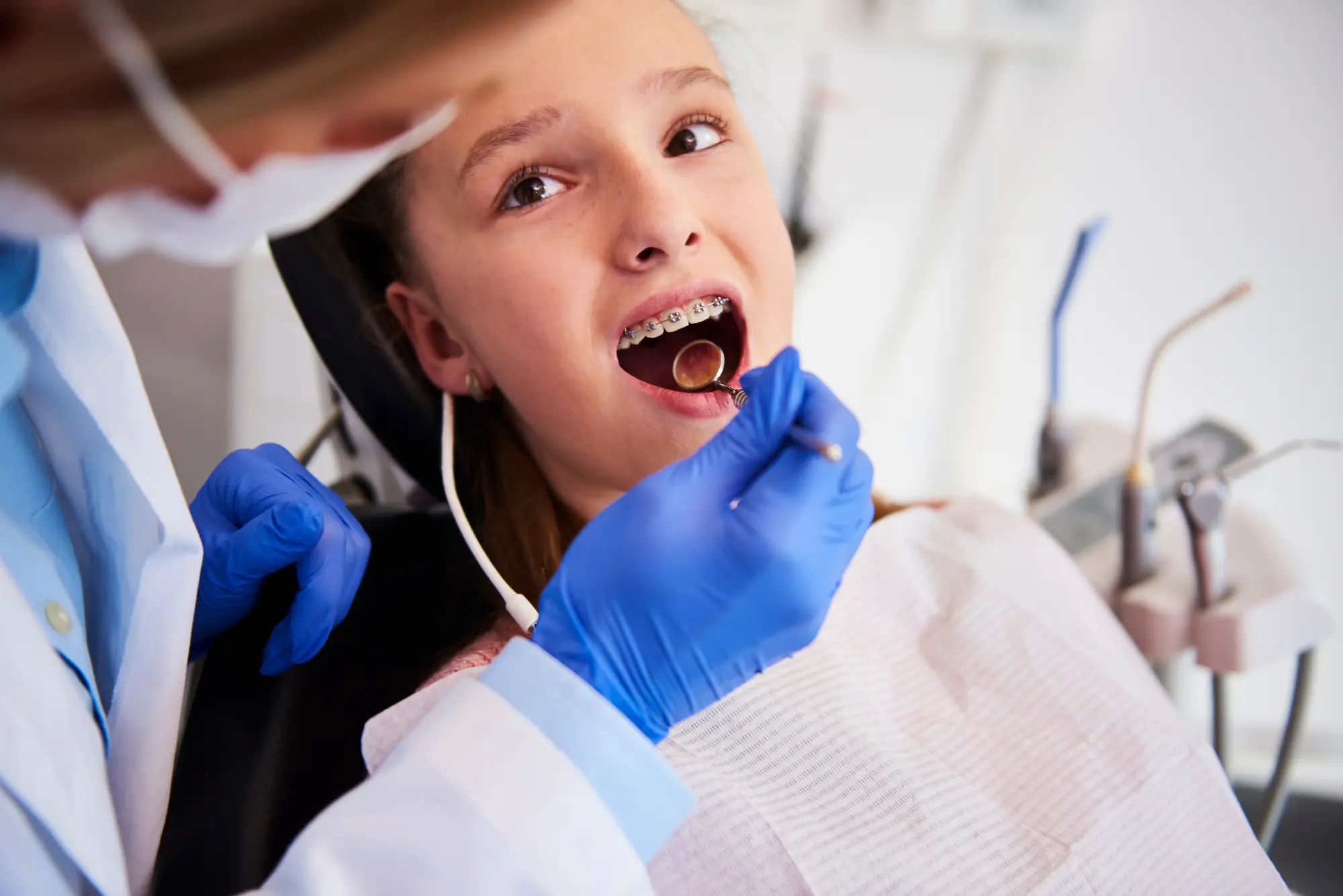
Habit appliances
Habits like prolonged thumb-sucking or finger-sucking can affect the way teeth and jaws develop. When needed, a habit appliance can help your child break these patterns and reduce their impact on the developing bite.
In some cases, Phase 1 care may also involve limited braces or other orthodontic appliances. We'll explain each recommendation and make sure you understand how it supports your child's smile.
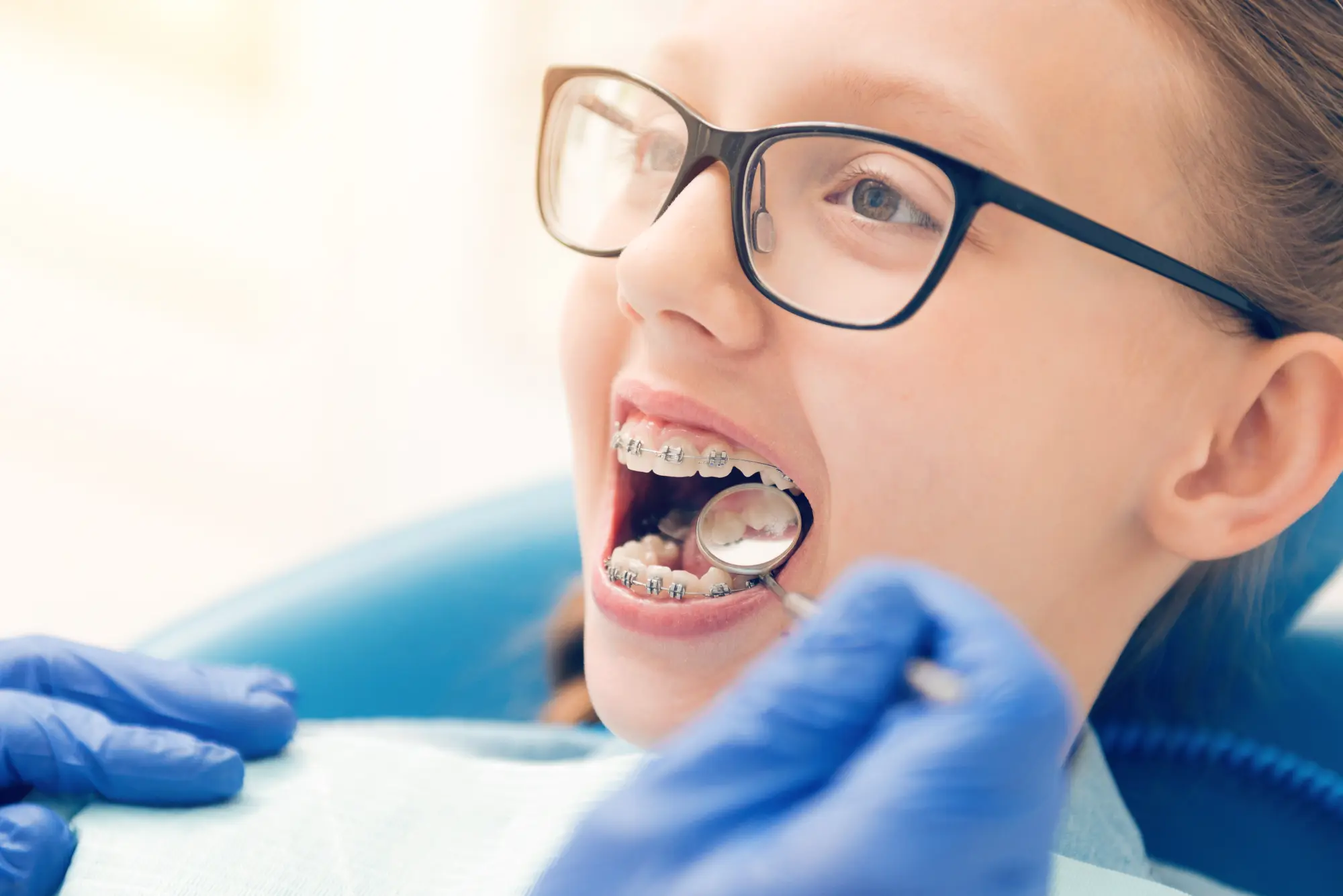
The right tools for growing smiles
There's no one-size-fits-all approach to early orthodontic care. Depending on your child's needs, Dr. Shivani and Dr. Jaanki may recommend one or more appliances to support healthy development.
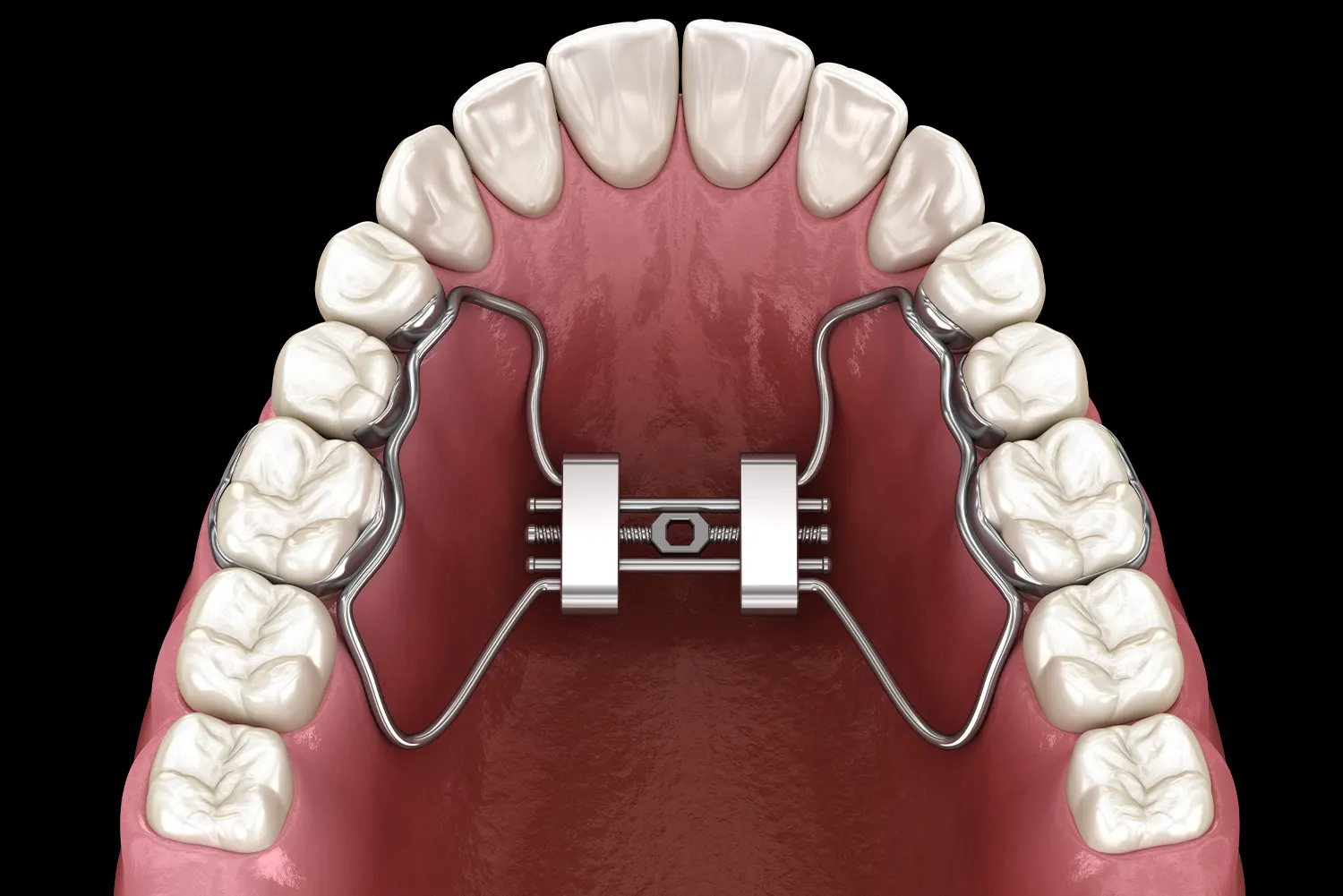
Palatal expanders
When the upper jaw is too narrow, a palatal expander can gradually widen it while your child is still growing. This may help correct certain crossbites and create additional space for permanent teeth.
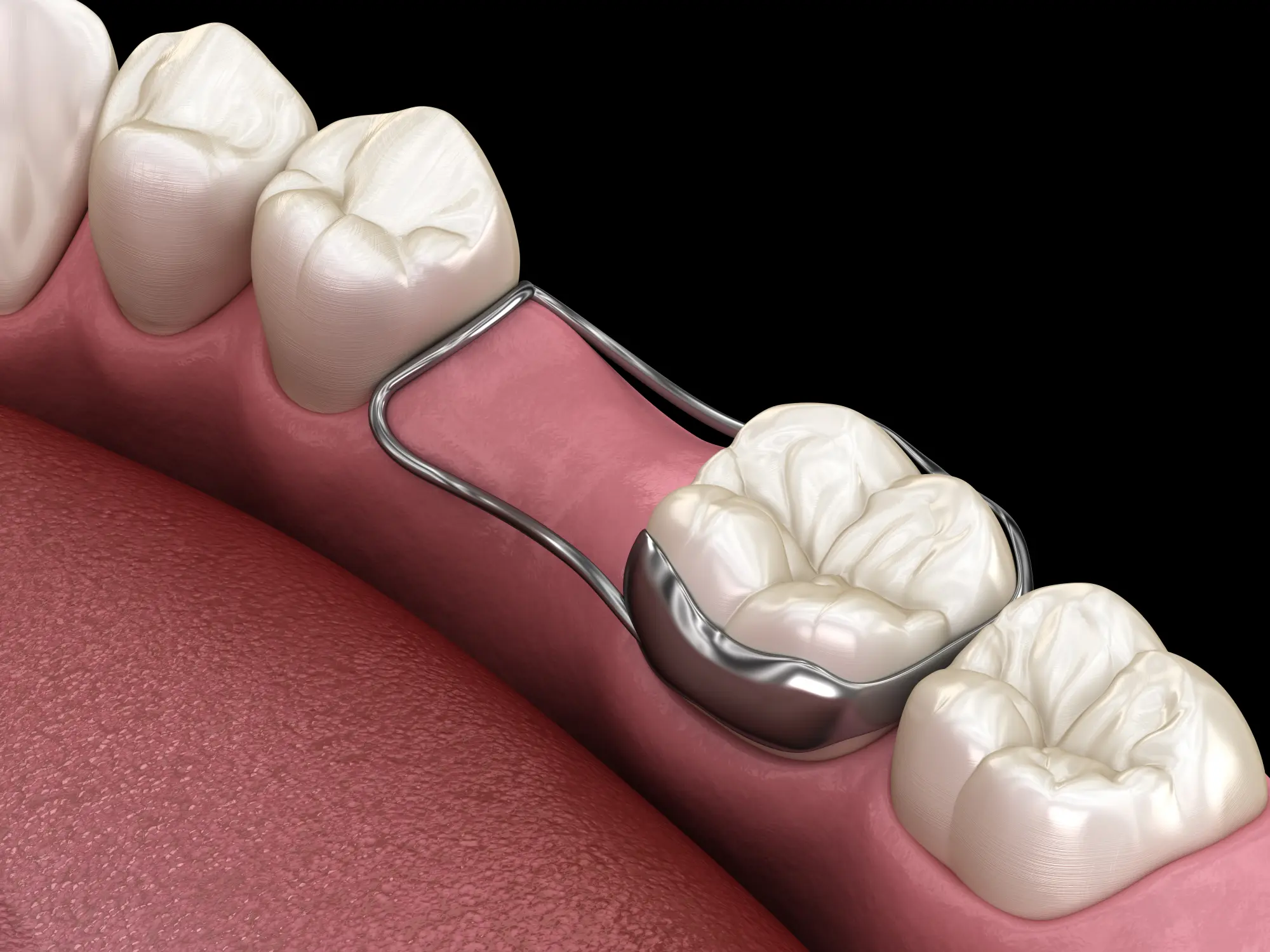
Space maintainers
If a baby tooth is lost earlier than expected, neighboring teeth may begin shifting into the open space. A space maintainer can help preserve room for the permanent tooth underneath, supporting a healthier eruption pattern.
The benefits of Phase 1 orthodontics
Support healthy jaw development
Your child's jaws are still growing, making this an important opportunity to address certain bite and alignment concerns. Phase 1 treatment can help guide growth, improve how the upper and lower teeth fit together, and support healthier bite function.
Create space for permanent teeth
Sometimes, adult teeth need a little extra room to come in properly. Early orthodontic treatment can help manage crowding and create space for incoming teeth, potentially reducing the severity of alignment issues later.
Address problems at the right time
Some orthodontic concerns become more complicated as a child grows. Addressing specific problems early may reduce the need for more extensive treatment in the future. Our focus is always on choosing the right treatment at the right time for your child's unique needs.
The Early Interceptive Orthodontics Treatment Process

A friendly first step, with no pressure
Your child's first orthodontic visit is an opportunity to get answers, meet our team, and feel confident about their developing smile. Here's what you can expect at Patel Family Orthodontics.

A warm welcome and thorough exam
We'll get to know your child, listen to any concerns, and examine their teeth, bite, and jaw development. Dr. Shivani or Dr. Jaanki will assess how their smile is progressing and look for any signs that early intervention may be helpful.

A closer look with modern technology
When appropriate, we use digital X-rays and advanced 3D scanning to better understand tooth positioning and development. Our intraoral scanner also allows us to capture detailed digital impressions without messy traditional impression trays.
Clear answers and a personalized plan
We'll walk you through our findings, answer your questions, and explain whether treatment is recommended now or if continued monitoring makes more sense. If your child could benefit from Phase 1 care, we'll discuss the options, anticipated timeline, and financial considerations.
Frequently Asked Questions
Does every 7-year-old need Phase 1 orthodontic treatment?

No. Age 7 is the recommended time for an initial orthodontic evaluation, not necessarily the time to begin treatment. Many children simply need periodic checkups so we can monitor their teeth and jaw development.
How long does Phase 1 orthodontic treatment take?
Phase 1 treatment often takes approximately 12 months, although the timeline varies based on your child's needs and the appliances involved. We'll provide a personalized estimate during their consultation.
Will my child still need braces after Phase 1?
Possibly. Phase 1 focuses on addressing specific developmental concerns, while Phase 2 may be needed to fully align the permanent teeth and refine the bite. Some children require additional treatment, while others may not.
Is Phase 1 orthodontic treatment painful?
Your child may experience mild pressure or tenderness as they adjust to an appliance, but this typically improves with time. Our team will explain what to expect and share tips to help your child feel comfortable throughout treatment.
Can my child begin orthodontic treatment if they still have baby teeth?
Absolutely! Phase 1 treatment is specifically designed for children who still have a mix of baby and permanent teeth. This stage of development can provide an opportunity to address certain orthodontic concerns before all their adult teeth have emerged.
How much does early interceptive orthodontics cost?
The cost depends on your child's treatment needs, the appliances recommended, and the length of care. At Patel Family Orthodontics, we offer complimentary consultations, work with dental insurance, and provide flexible financing options to help make treatment accessible.
Phase 1 vs. Phase 2 orthodontics: What's the difference?
Two stages, one thoughtful approach
Orthodontic treatment can look different depending on your child's age, growth, and individual needs. For some children, a two-phase approach offers important benefits. Others may only need one phase of treatment.
Phase 1: Early interceptive treatment
Phase 1 generally takes place while a child still has both baby and permanent teeth, often between ages 7 and 10. The focus is on addressing developing problems with jaw growth, bite alignment, and spacing, rather than achieving a perfectly straight smile.
Phase 2: Comprehensive orthodontic treatment
Phase 2 typically begins later, once most or all permanent teeth have emerged. This stage focuses on aligning the permanent teeth and refining the bite, often using braces or clear aligners.
Does every child need both phases?
Not at all! Many children can wait and complete orthodontic treatment in one comprehensive phase. If early treatment is recommended, we'll explain why it's beneficial and what your child may need as they continue growing.
Signs your child may benefit from Phase 1 orthodontics
Little signs worth a closer look
Every child's smile develops at its own pace, but certain changes can indicate that an early orthodontic evaluation may be helpful. Keep an eye out for:
- Crowded or overlapping teeth: Permanent teeth appear to have limited room to emerge.
- Crossbites or underbites: The upper and lower teeth don't fit together as expected.
- Early or delayed loss of baby teeth: Changes in tooth eruption may affect spacing or alignment.
- Difficulty biting or chewing: Your child struggles to bite comfortably or their jaw shifts when closing.
- Protruding front teeth: Upper front teeth extend noticeably forward.
- Prolonged thumb-sucking or pacifier habits: These habits may begin affecting tooth position or jaw development.
- Unusual spacing or missing teeth: Large gaps or teeth that aren't emerging as expected may warrant further evaluation.
Noticing one of these signs doesn't necessarily mean your child needs treatment. A complimentary consultation can help you understand what's happening and what, if anything, should come next.
